
The Global Shift to Digital Wagering
Your Guide to Safe and Smart Online Gambling in 2025
Nearly one in ten online gamblers will develop a serious problem, making it more addictive than many realize. At its core, online gambling lets you place real-money bets on games or events through a website or app, all from your own home. The main benefit is unmatched convenience, allowing you to play slots or poker without traveling to a casino. To start, simply create an account, deposit funds securely, and choose a game that suits your comfort level.
The Global Shift to Digital Wagering
The global shift to digital wagering means you can now place a bet from your couch, phone, or even while waiting for coffee. This convenience erases the need for physical casinos, as real-time betting apps let you wager on sports or slots instantly, anywhere. The process feels seamless, with instant deposits and withdrawals creating a frictionless experience. Yet, this constant accessibility also blurs the line between a casual hobby and a compulsive habit. To stay in control, set firm time and budget limits before you even log in, treating digital credits as real money rather than game points.
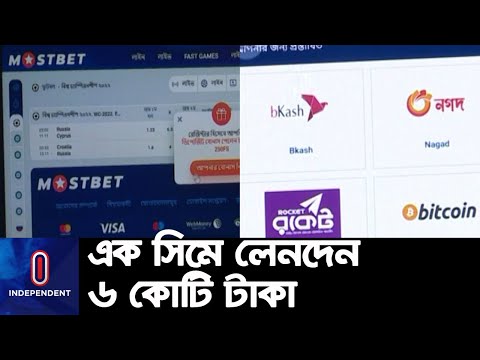
How Mobile Devices Reshaped Betting Habits
Mobile devices turned betting from a planned activity into an impulse habit. The phone in your pocket killed the need for a desktop or a trip to a bookmaker, letting you place a bet during a commute or while watching a live stream. In-play wagering exploded because you could react to a goal or a red card instantly, rather than pre-loading bets hours earlier. This shift created a new rhythm: quick glances for odds, a tap to stake, and constant notifications pulling you back. The result is betting in micro-moments rather than dedicated sessions.
- Alerts for match events trigger instant, reactive bets.
- One-tap deposits remove friction, fueling on-the-spot decisions.
- Cash-out becomes seamless, letting you lock in profits mid-event.
Comparing Desktop vs. App-Based Platforms
For online gambling, the choice between desktop and app-based platforms fundamentally alters your experience. Desktops offer expansive screens and superior processing power, ideal for complex gameplay like poker or immersive slot narratives where strategic oversight matters. Conversely, apps prioritize optimized mobile gambling interaction, leveraging touch controls and device sensors for instantaneous, location-agnostic bets, such as live in-play wagering from a stadium seat. This creates a distinct trade-off: raw performance versus extreme convenience.
- Desktop environments support multi-tabling, allowing simultaneous hands at different poker tables, a feature cumbersome on phones.
- App platforms excel with biometric logins, enabling rapid one-thumb access via fingerprint or face scan.
- Desktop interfaces display richer graphical details and longer game histories without screen crowding.
- Apps benefit from push notifications for real-time odds shifts, a dynamic absent on desktop browsers.
Regional Regulatory Trends in 2025
Regional regulatory trends in 2025 are creating fragmented user experiences, with jurisdiction-specific compliance becoming a daily hurdle. In the European Union, the trend forces users to verify their digital identity via state-backed eID wallets before any deposit. Across Southeast Asia, operators are mandating geolocation timestamps to block access during local curfew hours. A clear sequence follows: first, the platform checks your IP against a regional whitelist; second, it applies a spending limit dictated by your registered province; third, it restricts game types based on local cultural guidelines. This patchwork of rules means a user’s interface and available features shift completely when crossing a border in 2025.
Selecting a Trustworthy Betting Site
To enjoy online gambling safely, selecting a trustworthy betting site begins with scrutinizing user reviews on independent forums—not the site’s own testimonials. Test their customer support with a specific query before depositing; a sluggish or vague response is a red flag. Insist on sites that offer secure payment methods like PayPal or verified crypto wallets, which add an extra layer of financial protection. Crucially, check withdrawal speed by reading payout reports; if reviews cite delayed or denied cashouts, walk away immediately. Finally, a reliable platform will deprioritize flashy bonuses in favor of clear, simple terms—transparency over hype is your strongest safeguard.
Key Licensing Authorities and What They Mean
A trusted betting site prominently displays its licensing authority, which is the first practical checkpoint for safety. The UK Gambling Commission (UKGC) and Malta Gaming Authority (MGA) are the two most rigorous, enforcing strict player fund segregation and dispute resolution. For a site to hold a UKGC license, it must comply with mandatory affordability checks and technical audits. The MGA license is common among European operators and requires adherence to anti-money laundering protocols. Avoid sites licensed only by offshore or unregulated bodies, as they lack enforceable consumer protections. To verify a site’s license:
- Scroll to the footer of the betting site to find the regulator’s logo.
- Click the logo or note the license number to cross-reference on the licensing authority’s official registry.
- Confirm the registered business name matches the operator’s public facing name.
Reading Player Reviews Without Bias

When reading player reviews to pick a gambling site, objective evaluation of feedback is key. Ignore extreme one-star rants or suspicious five-star gushing—focus on common, specific complaints about payouts or customer support. Look for patterns across multiple platforms, not just one site’s testimonials.
Q: How do I spot fake reviews about a betting site?
A: Check if the same phrasing appears repeatedly or if the reviewer has only posted once—that’s a red flag. Stick to balanced, detailed experiences from verified players.
Security Features: Encryption and Data Protection
Financial-grade encryption (like TLS 1.3 and AES-256) is non-negotiable for any trustworthy betting site, as it scrambles your financial and personal data into unreadable code during transmission. Look for a padlock icon in the browser bar and ensure the site uses end-to-end encryption, which protects data from interception from your device to their servers. Data protection policies should explicitly state that funds are held in segregated accounts, encrypting stored account information, passwords, and transaction histories. Q: How can I verify encryption is active? A: Check the URL directly—it must begin with “https://” and display a padlock; avoid any site showing “http://” or mixed content warnings.
Popular Game Categories and Their Mechanics
Online gambling game categories revolve around distinct mechanics that directly affect player experience and outcomes. Slot machines rely on random number generators (RNG) to determine reel positions, with mechanics like cascading reels or progressive multipliers adding layers of chance. Table games such as blackjack and roulette use static house-edge mechanics—blackjack offers a skill element through card counting, while roulette’s pure randomness is tied to wheel physics and ball drop. Poker pits players against each other via hand-ranking systems and betting rounds, emphasizing bluffing and probability. Live dealer games simulate real-world card dealing or wheel spinning via video feed, blending physical mechanics (shuffling, chip distribution) with digital RNG for outcomes.
The core insight is that all categories hinge on either RNG-driven unpredictability (slots, roulette) or skill-probability interplay (poker, blackjack), dictating player control and volatility.
Slot Variance: Low, Medium, and High Volatility Explained
Slot variance, or volatility, dictates risk and payout frequency. Low volatility slots deliver frequent, small wins, ideal for extended play with minimal bankroll swings. Medium volatility balances moderate win frequency with occasional larger payouts, suiting versatile players. High volatility slots produce long dry spells followed by infrequent, substantial wins, targeting thrill-seekers with larger bankrolls. When choosing, consider your bankroll and session goals:
- Low: steady, small returns, low risk per spin.
- Medium: mixed pace, moderate payout potential.
- High: volatility spikes, rare but big wins.
This directly impacts expected playtime and reward structure.
Table Games: Blackjack, Roulette, and Baccarat Strategy
Mastering table games strategy in online gambling requires distinct approaches for each variant. For blackjack, basic strategy charts dictate when to hit, stand, or double, reducing the house edge below 0.5%. In roulette, focus on even-money bets like red/black for near 50/50 odds, while avoiding the single-zero trap in European versions. Baccarat demands strict betting on the banker hand, which wins slightly over 50% of the time, ignoring tie bets entirely.
- Always use a blackjack strategy card to eliminate guesswork.
- Select European roulette over American for its lower house edge.
- Bet consistently on the banker in baccarat for the best statistical return.
Live Dealer Experiences: Real-Time Interaction
Live dealer experiences bridge the gap between virtual and physical casinos by streaming a human dealer in real time directly to the player’s device. This format relies on high-definition video feeds and interactive chat functions, allowing players to place bets and communicate with the dealer as the game unfolds, typically in blackjack, roulette, or baccarat. The core mechanic centers on real-time interaction, where every decision—like hitting or standing—triggers an immediate physical response from the dealer, such as dealing cards or spinning the wheel. This eliminates RNG uncertainty and demands quick, strategic choices based on visible table dynamics, creating a more immersive and socially engaging gameplay loop.
Bonuses and Promotions: What to Look For
When evaluating bonuses and promotions for online gambling, first scrutinize the wagering requirements—often expressed as a multiple (e.g., 35x) of the bonus plus deposit. A lower multiplier is preferable, and you should also check which games contribute differently to meeting these playthrough conditions. Some promotions may seem generous but only apply to high-volatility slots, increasing your risk of losing the bonus before you can cash out. Additionally, verify the maximum bet allowed while the bonus is active and any game restrictions like excluded live dealer tables. Look for reload bonuses or cashback offers on losses, as these can extend your playtime beyond the initial welcome package. Always confirm the bonus code and expiration period to avoid losing pending funds.
Welcome Packages vs. No-Deposit Offers
When weighing Welcome Packages vs. No-Deposit Offers, your first decision hinges on risk versus reward. Welcome Packages typically match your initial deposit with bonus funds or free spins, demanding you stake your own cash upfront for a larger pot. No-Deposit Offers, conversely, hand you a tiny sum or spins just for signing up, letting you test real games with zero financial commitment. However, the latter often carries stingier wagering requirements and lower caps on winnings.
- Welcome Packages unlock sizeable match bonuses and bundled spins, ideal for players ready to fund an account.
- No-Deposit Offers provide free play without any payment, perfect for evaluating a casino with minimal personal risk.
- Wagering terms on no-deposit bonuses are usually stricter, requiring you to play through winnings more times before withdrawal.
- Larger-value welcome deals often include lower playthrough demands, making potential profits easier to realize.
Wagering Requirements and Fine Print
Wagering requirements dictate how many times you must play through bonus funds before withdrawing, and ignoring the fine print traps you into impossible terms. Always check the playthrough multiplier—a 40x requirement on a $100 bonus means $4,000 in wagers. Next, scrutinize game contribution rates, as slots often count 100% while table games may contribute only 10% or zero. Finally, note maximum bet limits and expiry dates, which can void your winnings instantly. To avoid forfeiting funds, follow this sequence:
- Calculate total wagering needed (bonus × multiplier).
- Confirm which games contribute fully.
- Set a timer for the offer’s validity period.
Loyalty Programs and VIP Tiers
A robust loyalty program transforms casual play into sustained value through tiered VIP structures. Players typically climb ranks by accumulating points per wager, with each tier unlocking better rewards. A clear sequence exists:
- Earn points on real-money bets.
- Meet a threshold to unlock the next VIP level.
- Access exclusive perks like cashback, faster withdrawals, and a personal account manager.
Higher tiers often feature custom bonuses—such as deposit matches or free spins—with reduced wagering requirements. Always review the point expiration policy and whether rewards are cash or bonus credits.
Banking Methods for Seamless Transactions
The slot’s last spin drained my balance, and I needed funds instantly to chase the bonus round. I clicked deposit, selected my e-wallet, and the cash landed in my account within seconds—no bank delays, no card rejections. Later, when I cashed out my winnings, the same e-wallet processed the withdrawal back to my Visa by morning. “Which method avoids holds?” Good question. E-wallets like Skrill or Neteller skip the verification lag that banks often impose, letting you move money in and out at will, while cryptocurrency offers near-instant, anonymous settlements for those who prefer not to link traditional accounts.
E-Wallets, Cryptocurrency, and Traditional Cards
For online gambling, E-Wallets, Cryptocurrency, and Traditional Cards form the core payment triad. E-Wallets like PayPal and Skrill prioritize speed, enabling near-instant deposits and withdrawals with added anonymity. Cryptocurrencies, such as Bitcoin and Ethereum, offer decentralized, low-fee transactions and irreversible settlement, bypassing banking hours. Traditional cards—credit and debit—provide universal acceptance and familiar chargeback protections, though they may incur processing fees and slower payout times. Each method balances speed, privacy, and security differently.
- E-Wallets typically circumvent bank intermediary delays for faster cash-outs.
- Cryptocurrency transactions often avoid currency conversion fees entirely.
- Traditional cards require CVV verification for fraud protection.
Deposit Speed and Withdrawal Timeframes
Deposit speed for online gambling is nearly instantaneous, typically processing within seconds via e-wallets like Skrill or PayPal, while credit cards and bank transfers may incur a brief delay of up to a few minutes. Withdrawal timeframes vary significantly: e-wallets often clear within 24 hours, whereas debit cards and bank wires can take 3–5 business days due to internal verification and banking protocols. Prioritize methods offering instant withdrawal processing to minimize wait times. Always check the casino’s pending period, as some hold requests for 24–72 hours before release.
Deposit speed is usually instant; withdrawal timeframes range from hours (e-wallets) to several days (cards/banks), heavily influenced by casino verification policies.
Currency Conversion and Fee Awareness
Understanding currency conversion and fee awareness is critical when selecting a banking method for online gambling. Using a bank account or card denominated in a currency different from the casino’s base currency triggers dynamic exchange rates, which often include a hidden markup of 2–5% above the mid-market rate. E-wallets like Skrill or Neteller can mitigate this by offering multi-currency accounts, but they impose their own conversion fees if you do not manually pre-fund in the casino’s currency. Credit card providers typically add a foreign transaction fee (1–3%) on top of the operator’s conversion spread. To minimize total cost, always choose a banking option that allows you to deposit and withdraw in the casino’s native currency, and check whether your provider uses the actual exchange rate or a less favorable adjusted rate.
Responsible Gaming and Player Wellbeing
When Sarah logged into her account, a pop-up reminded her to check her gameplay history, showing she had played for four hours straight. She appreciated the reality check tool that prompted her to set a time limit. Taking a break for tea, she recomposed herself before deciding to deposit only what she’d budgeted for entertainment. The platform’s self-exclusion option sat ready in her settings, giving her true control—not over chance, but over her own wellbeing. She knew the loss was a cost of play, not a chase to recover. That mindful pause kept gambling fun, not harmful, for her evening.
Deposit Limits and Self-Exclusion Tools
Smart players use deposit limits to cap daily, weekly, or monthly spending before starting a session, locking in a hard boundary against chase behaviors. Self-exclusion tools escalate this control by permanently or temporarily barring account access across linked sites. While limits manage risk session-by-session, exclusion provides a total accountability reset for those needing a break. Both tools work best when set proactively, not after a loss.
| Tool | Primary Action | Best For |
|---|---|---|
| Deposit Limits | Restrict funds added | Budget control while playing |
| Self-Exclusion | Block entire account | Halting gambling altogether |
Recognizing Problematic Behavior Early
Recognizing problematic behavior early in online gambling begins with monitoring subtle shifts in your own routine, such as an increasing urge to chase losses or logging in immediately after a stressful event. Notice if you frequently spend more time or money than planned, or feel irritable when unable to play. These self-awareness checks are critical because early detection of gambling triggers allows you to pause before habits solidify. Pay attention to secretive account access or borrowing funds for deposits. Catching these red flags quickly empowers you to adjust your limits or take a break, preserving play as a form of entertainment rather than a compulsion.
Support Resources and Helpline Access
Responsible gambling platforms integrate direct helpline access as a core safeguard, embedding toll-free numbers and live chat links within account dashboards for immediate use. These resources connect players to trained counselors who address behavior patterns like chasing losses or exceeding preset limits. Self-assessment tools, often linked from helpline pages, allow users to evaluate their risk level before seeking deeper support. Dedicated hotlines operate 24/7, offering confidential guidance on setting deposit caps, activating cool-off periods, or self-excluding temporarily. All helpline interactions remain anonymous, ensuring players can pursue recovery without stigma or account repercussions. The immediate availability of these tools transforms theoretical wellbeing policies into actionable, user-protective measures.
Emerging Technologies Shaping the Industry
Virtual reality immerses players in interactive casino environments, enabling realistic table games and slot play from home. Blockchain technology ensures provably fair outcomes by recording every transaction on an immutable ledger, allowing users to verify game integrity independently. Artificial intelligence personalizes game recommendations and detects problem gambling patterns in real-time through behavioral analysis.
Live dealer streams now integrate augmented reality overlays, displaying real-time odds and statistics directly on the video feed.
Biometric authentication, such as fingerprint and facial recognition, streamlines secure logins and payments while preventing account fraud.
Virtual Reality Casinos and Immersive Play
Step inside a virtual reality casino and the screen dissolves into a 3D lobby where you physically walk between slot machines and blackjack tables. You grab chips by reaching out with your hand, pull a lever, and hear the realistic clatter of coins from all directions. Immersive play means watching a dealer’s cards flip in real space or leaning in to read a poker opponent’s avatar. The environment reacts to your movements—turning your head scans the room, and talking triggers voice chat. It transforms solitary clicking into a social, tactile experience that mimics the physical floor’s electric energy.
| Aspect | Impact on Immersive Play |
|---|---|
| Navigation | Free-roam movement replaces menus |
| Interactivity | Hand gestures control bets and spins |
| Social presence | Avatars enable live table banter |
Blockchain for Provably Fair Results
Blockchain replaces opaque random number generators with provably fair algorithms, allowing players to verify each game round independently. Before betting, the system generates a server seed and client seed, hashing them for transparency. After the outcome, you can input these seeds into a third-party verifier to confirm no tampering occurred. This cryptographic audit trail applies retroactively to every spin, hand, or dice roll, not just future games.
Blockchain for Provably Fair Results ensures that every game outcome is cryptographically verifiable by the player, eliminating trust in the operator.
AI-Powered Personalization and Chatbots
AI-powered personalization tailors game suggestions and bonus offers to your specific betting habits, making the platform feel like it knows you. Meanwhile, intelligent chatbots provide instant, friendly support for issues like deposit queries or game rules, learning from each interaction to improve. This creates a smoother, more intuitive experience where the site adapts in real-time to your preferences, powered by adaptive player engagement that keeps the fun flowing without friction.
AI personalization curates your play, while chatbots handle your needs instantly.
Legal Landscape Across Major Markets
The legal landscape across major markets for online gambling is a patchwork of jurisdictional boundaries that directly shapes your access and risk. In the United States, only certain states like New Jersey and Pennsylvania have legalized and regulated operations, meaning you must be physically located within those borders to play legally. Across Europe, the approach varies dramatically: the UK has a single, strict licensing regime, while Germany imposes country-wide limits on stakes and deposits. Canada leaves provinces to decide, so your activities are governed by where you reside, not a national law. A key reality emerges:
Your choice of a gambling platform must always verify that the specific operator holds a valid license for your exact location, as using an unlicensed site can expose you to blocked withdrawals, confiscated funds, or legal penalties.
Navigating this terrain demands constant awareness of your local law, not just the site’s terms.
US State-Level Regulations and Interstate Compacts
State-level rules decide if you can legally play online poker, and that permission sometimes travels across state lines through interstate compacts. These agreements between states allow player pools to merge, giving you bigger tournaments than a single state could offer. If you move to a different state, your access to these shared games may change immediately. Always check your current state’s compact partners before you deposit.
- Your account eligibility depends on your physical location at the moment you log in.
- Interstate compacts currently exist mainly for poker, not casino slots or blackjack.
- Leaving a compact state means you lose access to its merged player pool.
European Licensing Hubs: Malta, UK, and Gibraltar

For players selecting an online gambling site, the jurisdiction behind the license indicates the level of regulatory oversight and player protection. The Malta Gaming Authority (MGA) is a widely recognized European standard, offering operators a balanced framework that appeals to a global audience. A UK Gambling Commission (UKGC) license signals strict rules on fairness, data security, and responsible play, though it mainly serves the British market. Gibraltar’s license, historically popular for its tax advantages and streamlined process, is often held by major sportsbooks and casino brands targeting UK and international audiences.
- Check for an MGA license if you want a balance between strong regulation and operator accessibility.
- Prioritize a UKGC license for the highest consumer protections, including deposit limits and dispute resolution.
- Verify a Gibraltar license when using major global brands, as it often accompanies a UKGC license for extra oversight.
Asia-Pacific: Gray Markets and Growth Zones
In the Asia-Pacific region, navigating online gambling requires distinguishing between officially gray markets and recognized growth zones. 99xo Gray markets like Japan or Thailand offer access through offshore platforms that operate without explicit local bans, but players face payment friction and no consumer protection. Growth zones such as the Philippines or Macau provide licensed options, though foreign player access may still rely on intermediary agents. The practical distinction hinges on deposit reliability and withdrawal speed rather than legal clarity. For users, success depends on identifying which regional hubs offer stable connectivity and workable payment gateways that bypass local banking restrictions.
| Aspect | Gray Markets (e.g., Japan, Thailand) | Growth Zones (e.g., Philippines, Macau) |
| Player Protection | Minimal to none | Licensed recourse possible |
| Payment Routes | Unstable crypto or e-wallet | Local bank integration |
| Access Method | Direct offshore sites | Intermediary agents |
Maximizing Value as a Regular Player
Maximizing value as a regular player requires leveraging loyalty programs, such as cashback and comp points, while strictly adhering to a deposit cap to chase long-term returns rather than short-term wins. Focus on games with a low house edge, like blackjack or video poker, and always apply a strategy to reduce the statistical disadvantage. A key practice is to set loss limits and walk away after a session, preserving bankroll for future play. Q: What is the most effective single action to maximize value? A: Use all available bonuses and free spins only after verifying the wagering requirements, as unmet terms can negate any potential gain by trapping funds.
Bankroll Management Techniques
Effective bankroll management techniques hinge on the percentage-based staking model, where you wager only a fixed, small fraction (e.g., 1-2%) of your total funds per session. This logical approach creates a protective buffer against variance, preventing emotional chase losses after downswings. Segmenting your bankroll into distinct session allocations further enforces discipline, ensuring no single loss depletes your capital. Regularly auditing win-loss ratios against your unit size allows for analytical recalibration, avoiding drastic increases after lucky streaks. This systematic, data-driven structure sustains long-term play by directly mitigating financial ruin risk, turning gambling into a repeatable process rather than a random gamble.
Leveraging Cashback and Reload Offers
To maximize your bankroll, strategic use of cashback and reload bonuses is essential. Cashback offers refund a percentage of net losses, typically weekly, turning a bad session into a partial recovery. Reload bonuses, which match deposits on specific days, extend playtime beyond the initial welcome package. Always check the wagering requirements on these offers, as high rollover can erode their value. Prioritize low-wagering cashback and high-percentage reloads you can actually complete. Stacking these with other promotions during slow periods compounds their effect.
Cashback cushions losses while reload bonuses fuel extended sessions; together, they transform sporadic play into a consistent, value-driven strategy.
Timing Bets Around Sports Seasons
Mastering timing bets around sports seasons hinges on exploiting predictable market inefficiencies. As a regular player, focus on the preseason betting window, where odds are softer due to speculative public money on star players or narrative-driven outcomes. For sharper value, target mid-season slumps—specifically Tuesday or Wednesday fixtures in weekly sports—when volume drops and sharp lines trap casual bettors. Follow this sequence:
- Identify opening odds 48 hours before a major season opener, then wait for sharper movement 24 hours later.
- During the season, bet on underdogs after a two-game losing streak, as public overreaction inflates the favorite’s line.
- Pounce on championship futures immediately after elimination games, when recency bias drags down perennial contenders’ odds.
These windows avoid noise and align your action with low-liquidity moments where bookmakers take larger, less refined positions.
Future Trends and Market Predictions
Future trends point to live dealer evolution becoming the standard, with AI-driven dealers offering personalized, real-time interaction. Cryptocurrency payments will dominate, enabling instant, anonymous transactions globally. Predictions indicate virtual reality casinos will fully replicate physical gambling floors by 2028, accessible via affordable VR headsets. This shift eliminates travel costs and offers unmatched immersion. Mobile-first platforms will prioritize seamless, on-the-go play with haptic feedback mechanics, making every spin or bet feel tactile and responsive.
Esports Wagering and Niche Betting Markets
In the future of online gambling, esports wagering and niche betting markets will demand a shift from static odds to dynamic, in-play micro-bets tied to specific game events, like a player’s kill count or tower destruction in a League of Masters match. These markets require bettors to analyze real-time game mechanics rather than match outcomes, offering higher precision but greater volatility. How do you identify value in a low-liquidity niche market? By monitoring sharps who consistently bet on small tournaments, as their moves often signal inefficient lines that public casuals overlook, creating exploitable edges in these specialized pools.

Social Gambling and Gamification Elements
Social gambling integrates peer competition and shared experiences, while gamification elements like leveling systems and achievement badges transform solitary wagering into a structured, goal-oriented activity. These mechanics use leaderboards and progress bars to mimic video game reward loops, incentivizing consistent engagement without altering underlying odds. Players unlock virtual currencies or cosmetic trophies for reaching milestones, fostering loyalty through psychological ownership rather than pure monetary gain. This shift reframes gambling as a recreational grind, where social validation and incremental progression drive repeat behavior.
Social gambling and gamification elements reframe online wagering as a competitive, goal-driven experience, using virtual rewards and peer standings to sustain user engagement beyond financial outcomes.
Regulatory Evolution and Consumer Protection Laws
Regulatory evolution is increasingly mandating that platforms embed consumer protection by design, directly affecting how you interact with gambling sites. Future laws will likely require mandatory deposit limits and loss thresholds that you cannot override impulsively, alongside automated timeout tools triggered by playing patterns. These protections shift accountability to operators, forcing them to algorithmically detect and intervene against risky behavior before you escalate. Liability frameworks are also evolving, meaning if a platform fails to uphold these safety measures in real-time, you may gain clearer legal recourse for resulting damages. This tightens the feedback loop between regulation and your actual user experience.
- Mandatory, non-removable deposit and loss caps tied to your account history
- Real-time risk detection algorithms that automatically pause play
- Expanded legal grounds for refunds if operators breach protective duties
- Compulsory session timers that lock you out after set periods without override options
What Exactly Is Digital Betting and How Does It Work?
The Core Mechanics Behind Placing Wagers Online
Key Differences Between Virtual Casinos and Physical Venues
Understanding Random Number Generators and Fair Play Systems

Essential Features to Look for in a Betting Platform
Live Dealer Options and Real-Time Interaction Benefits
Mobile Compatibility and App Functionality for On-the-Go Play
Payment Methods: Deposit and Withdrawal Speed Comparison
Practical Tips for Getting Started Safely
How to Set a Budget and Manage Your Bankroll Effectively
Choosing Games with the Best Odds for New Players
Leveraging Welcome Bonuses and Free Spins Without Overspending
Common Mistakes Beginners Make and How to Avoid Them
Chasing Losses: Why It Backfires and What to Do Instead
Overlooking Game Rules Before Betting Real Money
Ignoring Time Limits and Losing Track of Play Sessions
Frequently Asked Questions About Playing Online
Can You Win Real Money Consistently Over Time?
Is It Possible to Play for Free Before Committing Funds?
What Should You Do If You Suspect a Technical Glitch?
\ Get the latest news /

